The Influence of Color and Atmosphere
Casinos are meticulously designed environments where every element is carefully chosen to enhance the gaming experience and maximize profits. One of the most significant aspects of this design is the use of color. Bright, vibrant colors like red and gold are common, as they are believed to evoke excitement and stimulate the mind, making the experience even more thrilling. For those looking to explore local dining options, https://dolanuyghurhalalrestaurant.com.au/ provides great insights into community tastes.
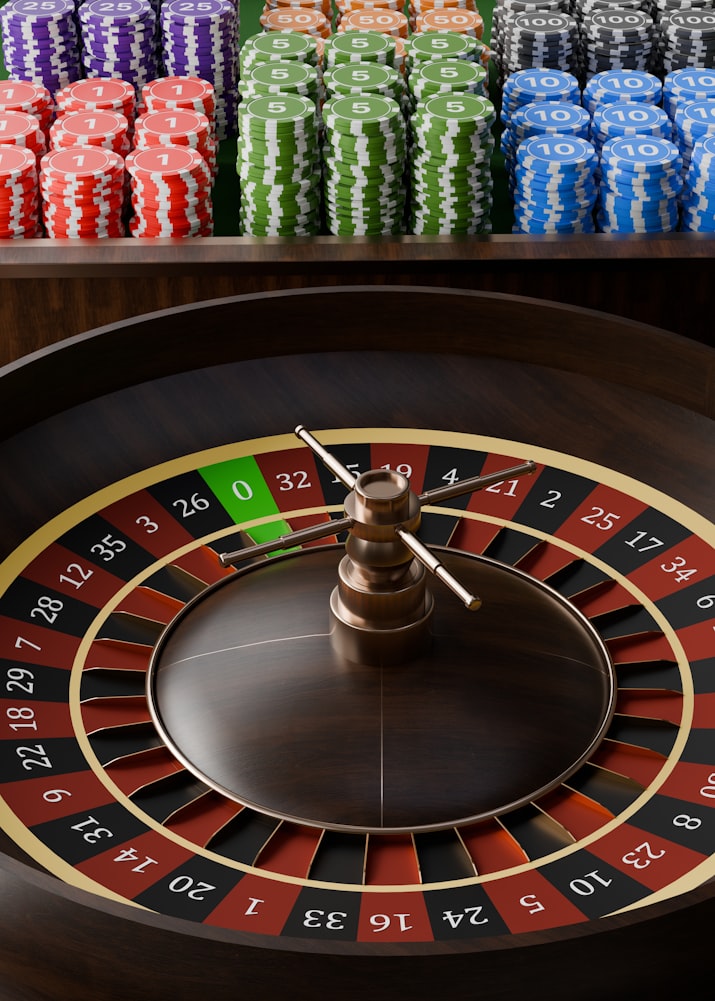
The atmosphere in a casino is also specifically crafted to promote prolonged engagement. With dim lighting, upbeat music, and a constant buzz of activity, casinos encourage players to lose track of time. This sensory overload keeps individuals from assessing their spending, allowing casinos to maintain a profitability edge. Such psychological tactics ensure that players feel immersed in the experience, often leading them to gamble more than they initially intended.
The Power of Rewards and Losses
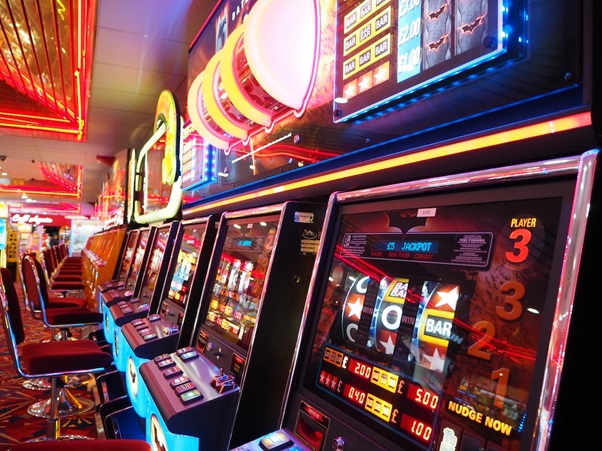
Another psychological strategy casinos employ is the manipulation of rewards and losses. The excitement of winning, even small amounts, is enough to create a psychological high that encourages continued play. Slot machines, for instance, are designed to provide frequent, albeit small, payouts. This creates a phenomenon known as the “near miss,” where players feel they were close to winning and are thus motivated to keep trying.
On the flip side, casinos also understand the impact of losses. The experience of losing can sometimes prompt players to chase their losses, leading them to gamble more in hopes of making back what they lost. This ‘loss aversion’ principle is rooted in human psychology, where the pain of losing is perceived as more significant than the pleasure of winning. By understanding these psychological triggers, casinos can effectively boost their profits.
Social Interaction and Group Dynamics
Casinos thrive on social interaction, making it a crucial element of their profit-making strategy. Games like poker and blackjack are designed to foster a sense of community and competition among players. This social aspect not only enhances the entertainment value but also encourages players to stay longer in the casino. The excitement created by a group setting can lead to increased betting, as individuals feel compelled to match their peers.
The layout of casinos often promotes this social dynamic through open spaces and communal areas, where players can interact freely. High-stakes games are often accompanied by a crowd, heightening the excitement and creating a fear of missing out. This atmosphere can make it difficult for players to walk away, leading to extended play and, ultimately, increased profits for the casino.
The Role of Comps and Loyalty Programs
To further enhance customer retention, casinos utilize comps and loyalty programs as a psychological tool to keep players engaged. By offering free drinks, meals, or accommodations, casinos create a sense of reciprocity, encouraging players to continue spending money in the hopes of receiving further rewards. This strategy plays on the emotional need for recognition and appreciation, which encourages loyalty and repeat visits.
Moreover, loyalty programs are structured to make players feel like they are part of an exclusive club. The more they play, the more points they earn, which can be redeemed for various rewards. This gamification of loyalty fosters a continuous cycle of play, as individuals are motivated to achieve higher status levels that come with increased benefits. Through this calculated approach, casinos can effectively boost profits while enjoying a loyal customer base.
Understanding Your Casino Experience Online
When exploring the intricacies of how casinos utilize psychological strategies to drive profits, it’s also essential to consider the online gambling landscape. Many of the same principles apply, such as the use of vivid graphics, engaging user interfaces, and the social aspects that online platforms can create through chat functions and multiplayer formats.
However, just as physical casinos manipulate their environments to retain players, online casinos use targeted marketing and personalized experiences to keep users engaged. Understanding these tactics can empower players to make informed decisions about their gambling activities, ensuring that their experiences are enjoyable and responsible. The impact of psychology in both environments remains a pivotal aspect in shaping the future of the gambling industry.